Wondering which upgrades are actually worth doing before you list your Pacific Palisades home? In a market where homes still command multi-million-dollar prices, buyers notice condition, presentation, and signs of ongoing care right away. If you want to improve buyer confidence without over-renovating, the smartest path is usually selective, visible improvements with tight scope control. Let’s dive in.
Why pre-list strategy matters
Pacific Palisades remains a high-value market, but that does not mean every home sells on price point alone. Zillow places the typical home value at $3,044,325 as of May 31, 2026, and Redfin reports a median sale price of $2.84 million with homes taking about 49 median days on market and a 95.9% sale-to-list ratio in April 2026.
That kind of market tends to reward homes that feel well maintained, current, and easy to say yes to. Buyers at this level are often comparing details closely, both online and in person. Small signs of deferred maintenance can shape how they view value, even before they get to inspections.
Focus on visible improvements first
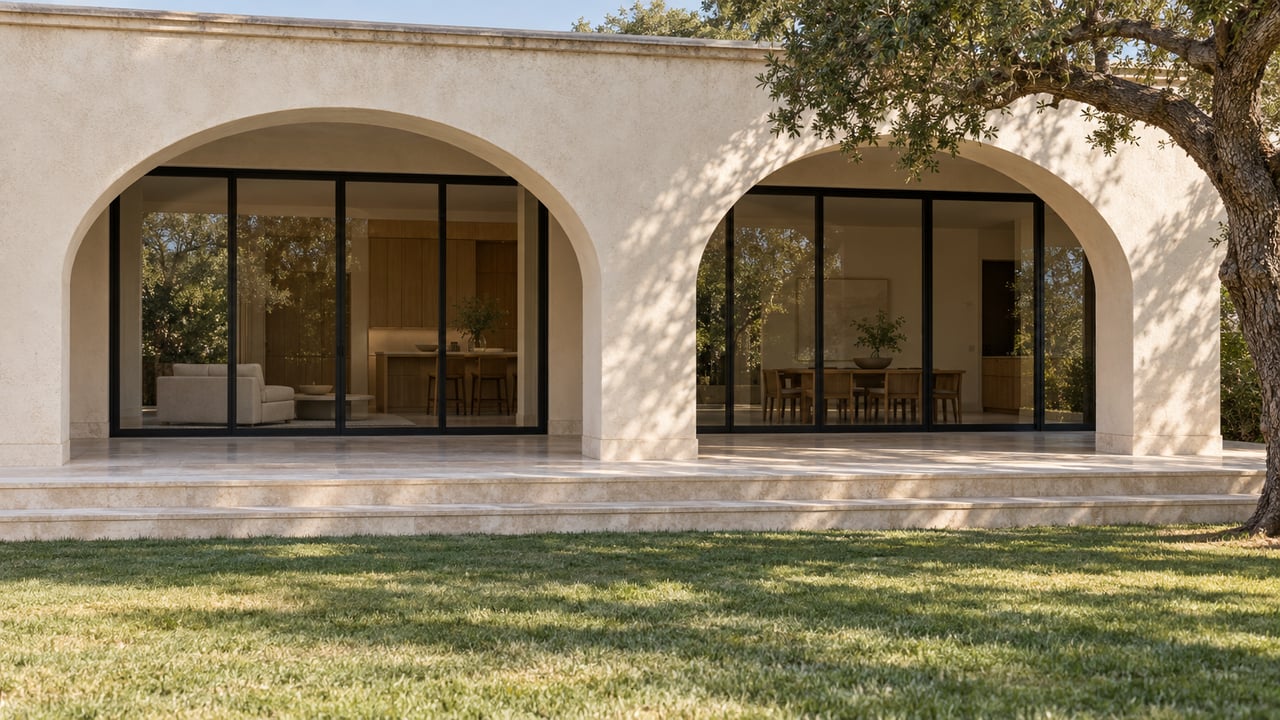
If your goal is to sell in the near term, visible upgrades usually offer the clearest return. In the Pacific region, the 2024 Cost vs. Value Report shows especially strong resale performance for exterior improvements like garage door replacement, steel entry door replacement, manufactured stone veneer, fiber-cement siding replacement, and wood deck addition.
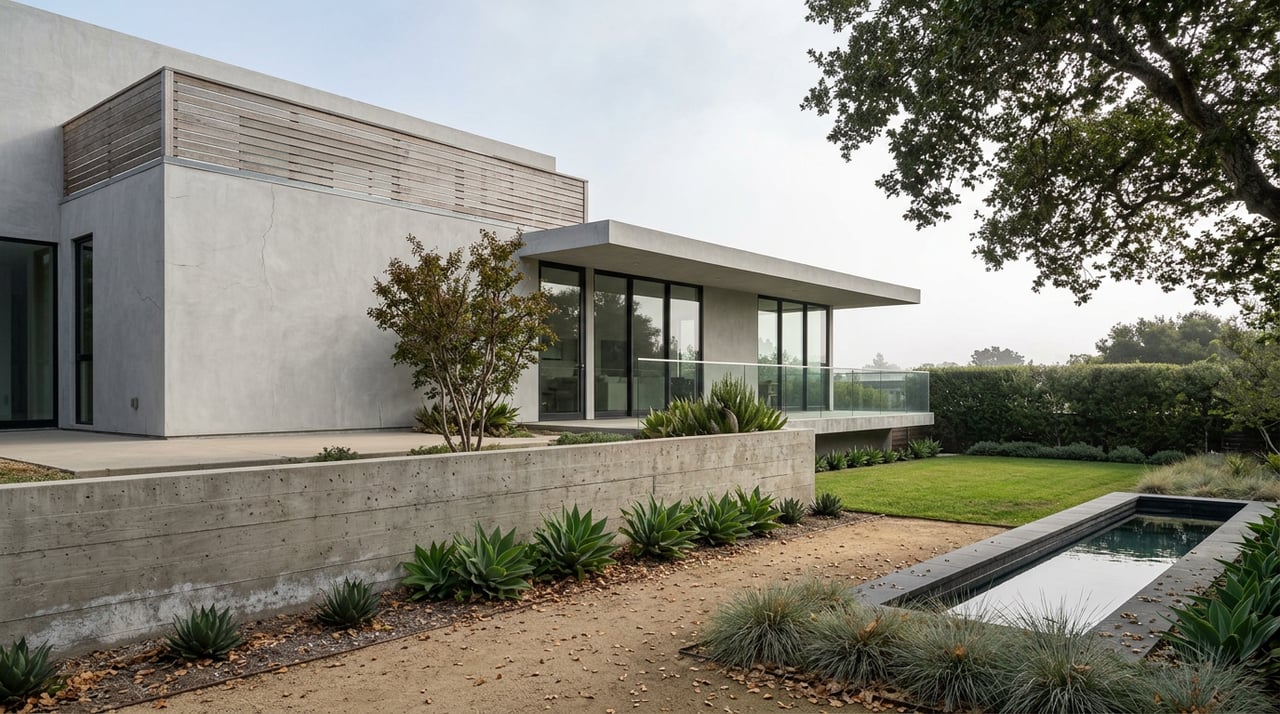
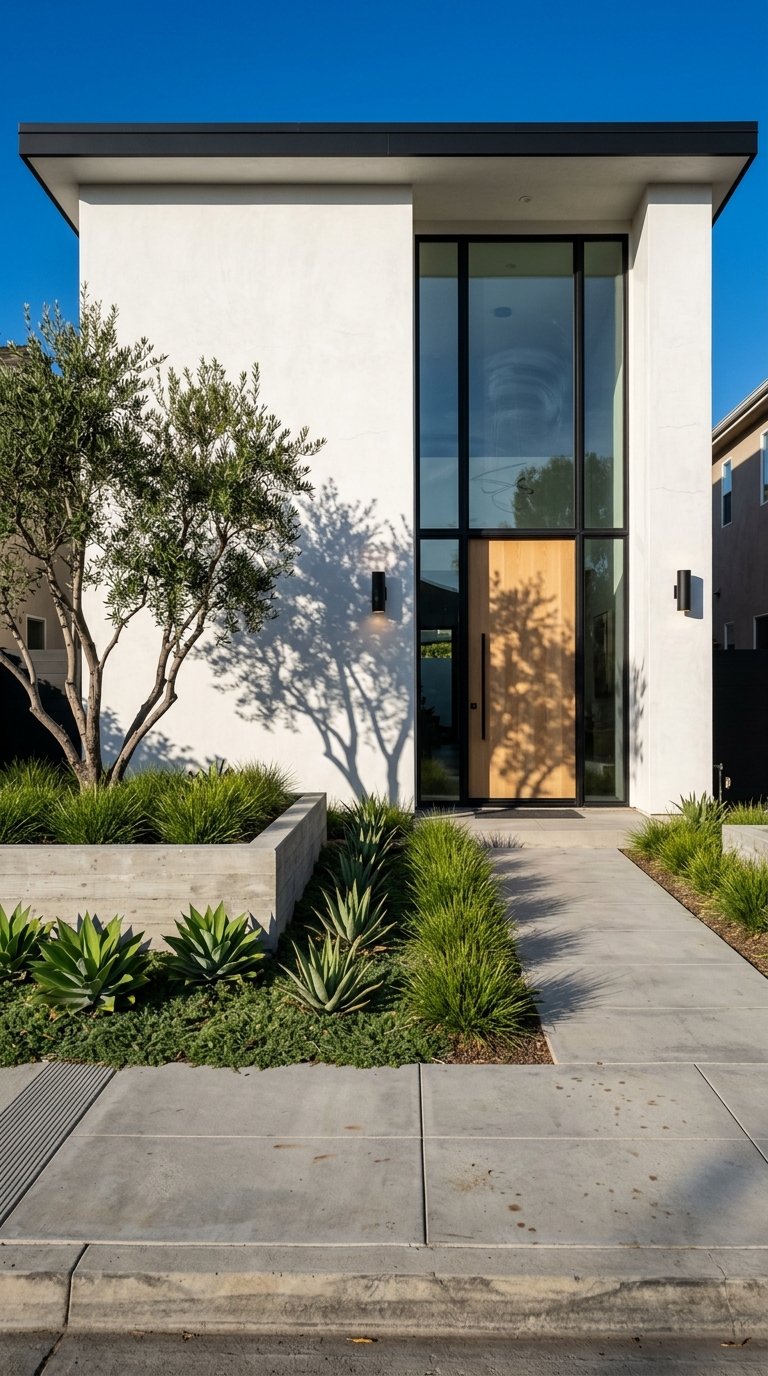
That does not mean you should start a large exterior remodel automatically. It means buyers tend to respond well to improvements that sharpen first impressions and make the home feel cared for from the street. In Pacific Palisades, curb appeal and exterior condition often set the tone before a buyer even walks inside.
Exterior projects with strong resale potential
A few categories stand out when you are deciding where to spend:
- Garage door replacement
- Entry door replacement
- Targeted siding refresh or repair
- Deck improvements where outdoor living is part of the home’s appeal
- Stone veneer accents where appropriate to the architecture
The key is fit. Pacific Palisades buyers often respond better to upgrades that respect the home’s original character than to changes that feel forced or overbuilt.
Preserve character instead of over-renovating
Buyer preference data suggests existing-home buyers value overall value, price, and charm or character. For Pacific Palisades, that points toward a simple principle: refine what is already working rather than stripping the home of its architectural identity.
If your house has strong lines, original details, or a recognizable coastal or California design language, those features can be an asset. The goal is not to make the home look generic. The goal is to make it feel polished, cohesive, and easy for buyers to appreciate.
Keep interior updates modest and strategic
Interior work can absolutely help, but the numbers support restraint. In the Pacific region, a minor kitchen remodel recoups 134.3% and a midrange bath remodel recoups 95.6%, while upscale kitchen and bath remodels perform much less favorably for resale recovery.
That is an important distinction if you are preparing to list, not planning to stay for years. A clean, current kitchen or bath can help buyers feel comfortable. A major luxury overhaul, especially one with a long timeline or highly personal finishes, may not translate into a stronger sale outcome.
Where modest interior work makes sense
A measured update is often enough when a room clearly looks dated or worn. Good pre-list candidates may include:
- Cabinet repainting or refinishing
- New counters if existing surfaces feel tired
- Updated plumbing or lighting fixtures
- Fresh tile in a limited area
- New wall finishes or flooring where wear is obvious
- Paint to brighten and unify the home
NAR’s 2025 remodeling report says Realtors most often recommend painting the entire home, painting a single room, and new roofing before listing. Paint remains one of the simplest ways to make a home feel cleaner, lighter, and more consistent.
Use staging as a low-friction advantage
Staging is often one of the most efficient pre-list tools available. According to NAR’s 2025 Profile of Home Staging, 29% of agents said staging increased the dollar value offered by 1% to 10%, 49% said it reduced time on market, and 31% of buyers’ agents said staged homes were more likely to get a showing request after buyers saw them online.
In Pacific Palisades, this matters because many buyers first experience a home through photography. A well-staged property can help rooms feel brighter, larger, and more intentional without changing the structure or starting a major remodel.
What staging should emphasize
NAR’s staging guidance highlights a few basics that remain highly effective:
- Natural light
- Neutral colors
- Decluttered surfaces
- Open, easy circulation
- Clear room purpose
For a luxury listing, that often means editing rather than adding. You want buyers to notice space, light, and architecture, not distractions.
Prioritize wildfire-ready presentation
In Pacific Palisades, pre-list upgrades are not only about style. They are also about visible risk reduction. CAL FIRE says home hardening with ignition-resistant materials, combined with defensible space, gives a house its best chance of surviving a wildfire.
LAFD adds practical guidance that buyers can often see for themselves. Clearing roofs and gutters, repairing loose shingles or tiles, using tempered or double-paned glass, and maintaining a 3 to 5 foot fuel-free buffer around the home are all part of stronger home-hardening practice.
Wildfire-related pre-list steps to consider
Before listing, it can make sense to review:
- Roof condition and visible repairs
- Roof and gutter debris removal
- Window condition, especially older glass
- Landscaping close to the structure
- Brush clearance and pruning
- General removal of combustible debris
These steps can improve presentation while also supporting buyer confidence. In a neighborhood where wildfire exposure is part of how buyers evaluate property risk, exterior maintenance sends a strong signal.
Do not overlook the roof
If your roof looks visibly aged, it may deserve extra attention before the home goes live. Realtors rank new roofing among their top recommendations before listing, and LAFD identifies roofs as vulnerable to debris while recommending maintenance such as keeping roofs and gutters clear and repairing damaged shingles or tiles.
You may not always need a full replacement. But if the roof reads as tired from the street or raises immediate questions, it can affect first impressions more than many sellers expect.
Treat landscaping as marketability
Landscape cleanup is not just routine maintenance in Pacific Palisades. LAFD’s brush-clearance requirements in Very High Fire Hazard Severity Zones are year-round and include keeping combustible debris off roof surfaces and maintaining heavy vegetation clearance around structures.
For sellers, that means pruning, cleanup, and thoughtful simplification can do double duty. Your exterior can show better in photos, feel more open during showings, and reduce visible signs of risk at the same time.
Avoid projects that trigger delay
One of the most common pre-list mistakes is taking on more than the timeline allows. Cosmetic work is usually the easiest path. LADBS notes that its e-permit system can cover repair or replacement of cabinets, flooring, wall finishes, tile, counters, and plumbing or electrical fixtures only, as long as there are no wall or opening changes and no new fixture penetrations into existing walls.
Once you start changing walls, openings, layout, or system locations, the project can move into plan check. LADBS also states that building permits are required for additions, structural alterations, and interior modifications or floor-plan changes, while electrical and plumbing permits are required for certain system modifications.
Scope control protects your timeline
If you are preparing to sell, scope discipline matters. In most cases, try to prioritize:
- Cosmetic repairs
- Finish updates
- Paint
- Light fixture swaps
- Surface-level kitchen and bath refreshes
- Exterior maintenance and curb appeal work
Be cautious with:
- Floor-plan changes
- New openings
- Additions
- Major plumbing relocation
- Major electrical reconfiguration
The more complex the work, the greater the chance of added cost, delay, and disclosure complexity.
A practical upgrade order for Pacific Palisades
If you want a smart sequence, start with what buyers see first and what can be completed with the least disruption. That usually creates the best balance of presentation, timing, and resale logic.
Step 1: Clean up deferred maintenance
Address obvious repairs first. Roof and gutter cleaning, damaged trim, loose shingles or tiles, worn paint, and neglected landscaping can all make buyers wonder what else has been overlooked.
Step 2: Improve curb appeal
Focus next on the entry, garage door, lighting, landscaping, and exterior presentation. These are the details that shape online appeal and first impressions during showings.
Step 3: Refresh dated interiors
Use paint, flooring, hardware, fixtures, and limited kitchen or bath updates to make the home feel current. Keep finishes cohesive and avoid highly customized choices if the home will hit the market soon.
Step 4: Stage for light and space
Once the home is polished, staging can help buyers connect emotionally. Emphasize openness, natural light, and clean sightlines.
Step 5: Skip unnecessary overbuilding
If a project is expensive, time-consuming, and unlikely to return its cost, it may be better left undone. In Pacific Palisades, a tailored strategy often outperforms a bigger budget spent in the wrong places.
The best pre-list plan is property-specific
No two Pacific Palisades homes need the exact same upgrade list. Architecture, lot setting, exterior exposure, visible wear, and your target timeline all matter. A modern home may benefit from a different finish strategy than a traditional home, and a property with strong bones may need editing more than renovation.
That is where measured, local guidance makes a real difference. When you understand both market positioning and renovation scope, you can invest where buyers are most likely to notice and respond.
If you are considering selling in Pacific Palisades, Isabelle Mizrahi and Coleman Eisner can help you evaluate which improvements are worth making, which ones to skip, and how to position your home with clarity and confidence.
FAQs
What pre-list upgrades offer the best ROI for Pacific Palisades homes?
- The strongest resale performance in the Pacific region tends to come from exterior-facing projects such as garage door replacement, steel entry door replacement, certain siding improvements, stone veneer, and wood deck additions.
Should you remodel a kitchen before listing a Pacific Palisades home?
- A minor kitchen remodel may make sense if the space feels dated, since Pacific region data shows stronger resale recovery for minor kitchen work than for upscale kitchen remodels.
Does staging help sell a Pacific Palisades house faster?
- Yes. NAR’s 2025 staging data shows many agents believe staging reduces time on market, and buyers’ agents say staged homes are more likely to generate showing interest after buyers view them online.
What wildfire-related upgrades matter before listing a Pacific Palisades home?
- Buyers may notice roof and gutter maintenance, brush clearance, pruning, window condition, and the 3 to 5 foot fuel-free area around the home, all of which align with CAL FIRE and LAFD home-hardening guidance.
Do cosmetic renovations need permits in Los Angeles before listing a home?
- Some cosmetic repairs and replacements may fit within LADBS e-permit guidelines, but projects that change walls, openings, layout, or system locations are more likely to require broader permitting and plan check.