If you are drawn to Pasadena’s historic homes, you are not alone. The city’s architectural depth is a major part of its appeal, but buying one of these properties comes with a different set of questions than buying a newer home. You need to understand not just style and charm, but also designation status, renovation rules, permit history, and long-term upkeep. The good news is that with the right due diligence, you can move forward with clarity and confidence. Let’s dive in.
Why Pasadena historic homes stand out
Pasadena is widely recognized as an architecture-rich city, and many neighborhoods include landmark or historic districts. The city’s historic context materials note that late-19th- and early-20th-century estates and houses still remain throughout Pasadena, giving buyers access to a broad range of architectural character.
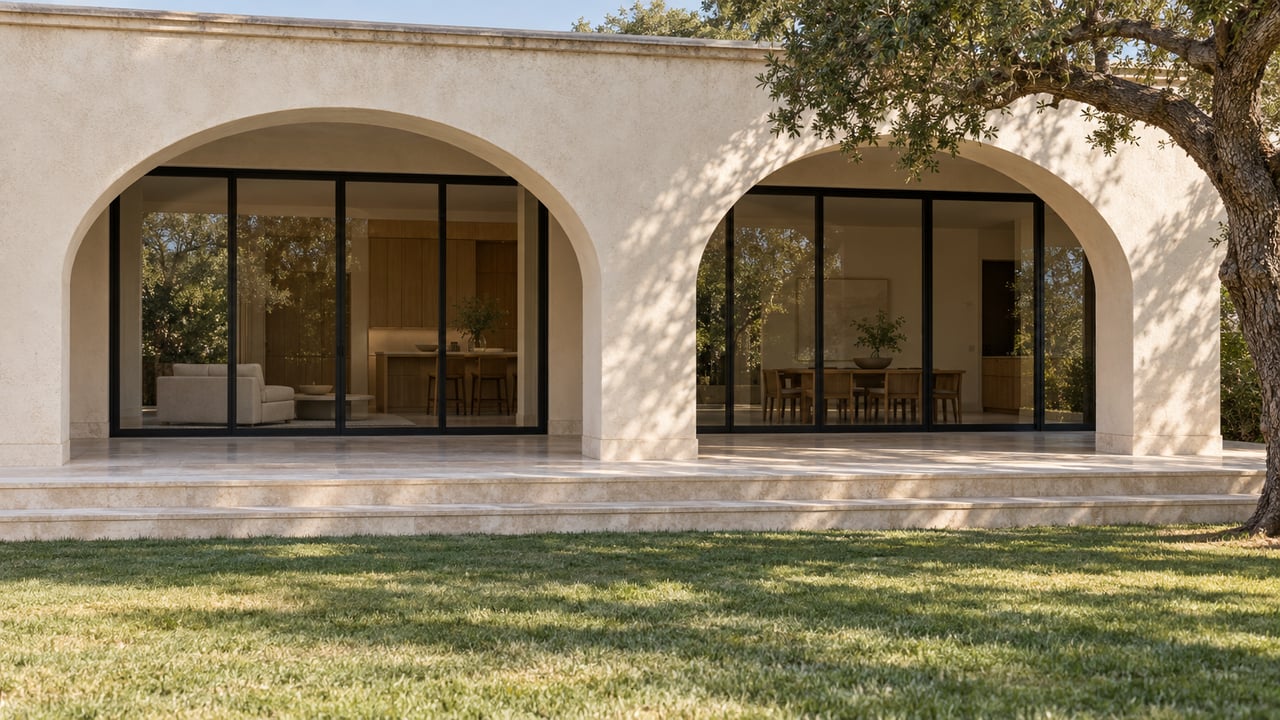
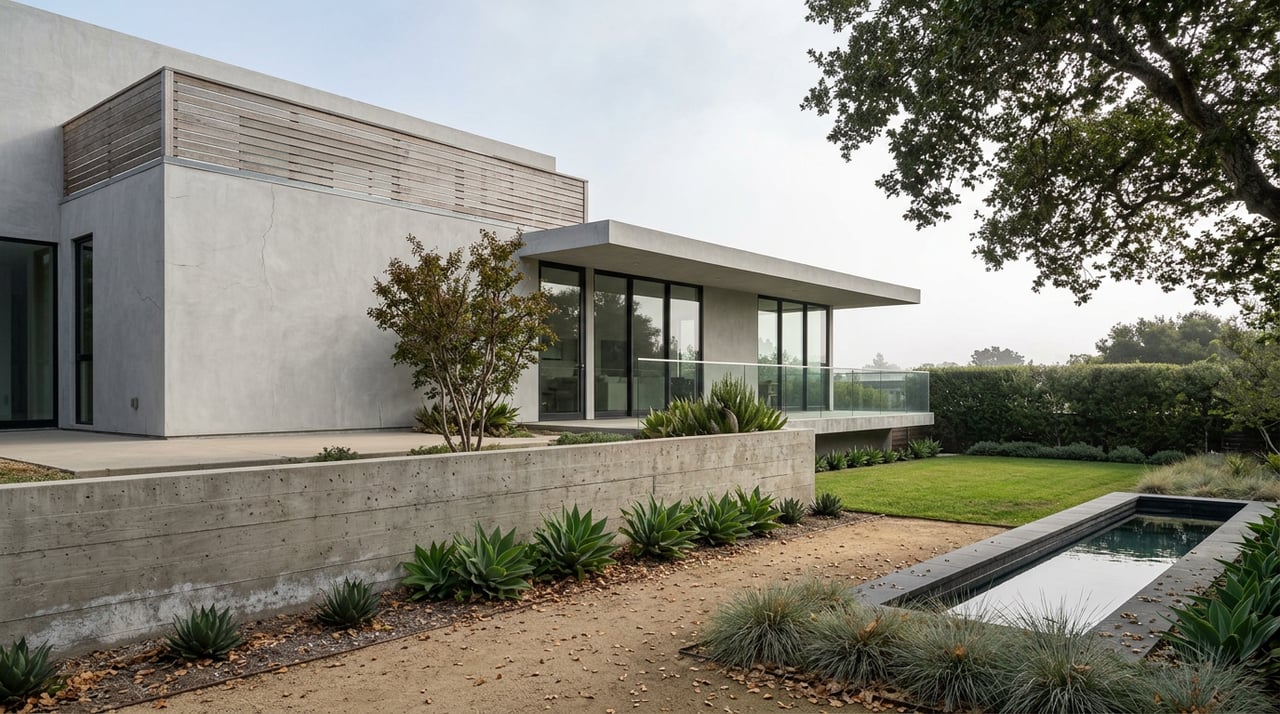
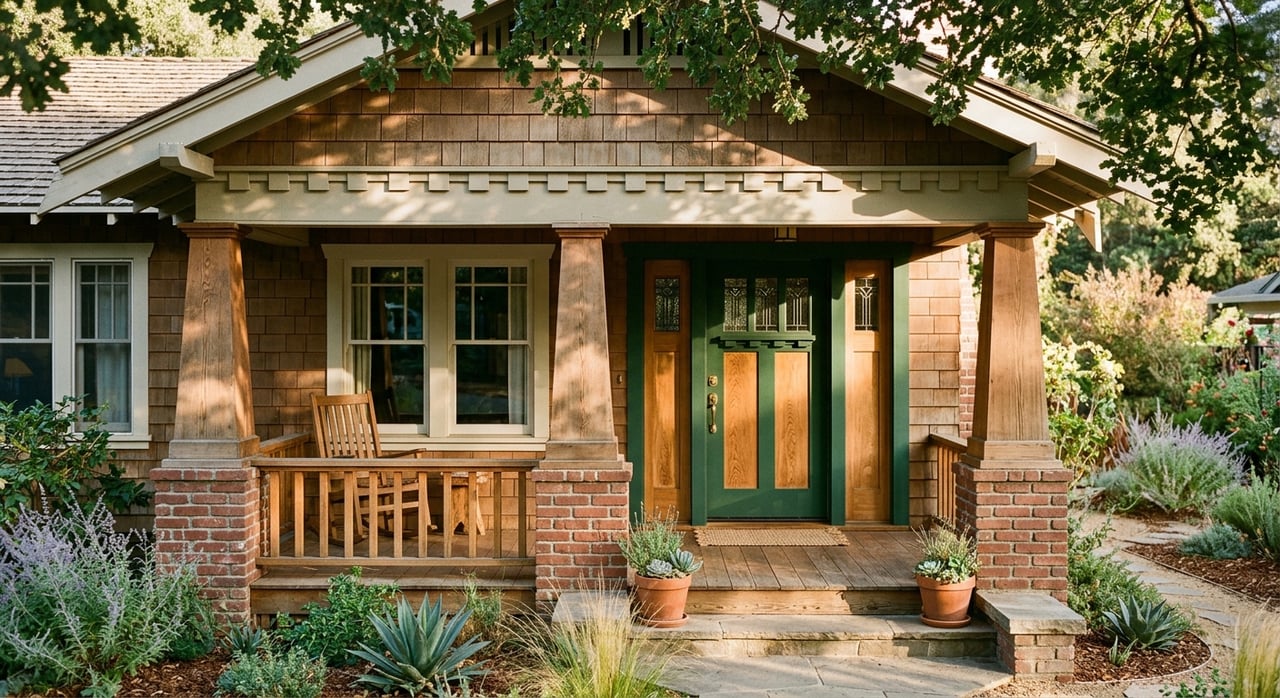
You may see homes from several major design eras as you search. Pasadena’s official historic context statement identifies styles that include Queen Anne, American Foursquare, Craftsman, California Bungalow, Tudor Revival, Spanish Colonial Revival, Mediterranean Revival, Art Deco, Ranch, Mid-century Modern, and more.
That variety matters because a home’s historic significance is not limited to one famous look or period. Pasadena also recognizes that significance can come from architecture, development patterns, events, or people, which means a property may matter historically even if it does not look like a classic showpiece at first glance.
Know the property’s historic status
One of the first things to confirm is whether the home is designated, located in a historic district, or simply surveyed. In Pasadena, those categories are not the same, and the distinction can affect what you may be allowed to change later.
The city’s CHRID database includes designated historic properties and districts, along with many surveyed properties. A surveyed property does not automatically become designated, which is an important difference for buyers who are trying to understand future obligations.
What designation can affect
If a home is in a Pasadena landmark district, the designation does not affect the property’s use or sale. You can usually live in the home normally, but certain exterior changes may require review before a building permit is issued.
For landmark districts, demolitions, exterior alterations visible from the street, and new construction require a Certificate of Appropriateness. Pasadena says this review commonly applies to items such as windows, front porches, additions, fences, and new garages.
What is often exempt
Not every update triggers review. Pasadena states that in landmark districts outside the Central District, interior alterations, paint colors, landscaping, solar panels, routine maintenance, and non-visible mechanical upgrades are generally exempt.
This is one reason historic-home ownership can be more flexible than many buyers expect. Still, you should verify the specific status of the property before assuming your planned work will be straightforward.
Understand the review process before you buy
If you plan to renovate, it helps to know how Pasadena reviews work before you close escrow. The city uses the Secretary of the Interior’s Standards and Pasadena’s Design Guidelines for Historic Districts when evaluating Certificate of Appropriateness applications.
Minor projects are typically handled by staff, while major projects go before the Historic Preservation Commission. Pasadena also notes that decisions may be appealed, which means larger or more visible projects can involve a longer process.
What the city may ask for
For a COA application, Pasadena may require drawings, photos, product literature, and material samples. The city states that there is no fee for this review, which can be helpful when you are budgeting for pre-construction planning.
That said, time and documentation still matter. If your buying decision depends on a future addition, garage project, or front-facing exterior change, it is wise to evaluate feasibility early rather than after closing.
Research permit history and prior work
Historic homes often have decades of repairs, upgrades, additions, and owner changes behind them. That makes permit history especially important.
Pasadena’s Permit Center Online allows buyers to search permits, check case status, and schedule inspections. The city also states that building permits are required for most construction projects and that, when a property is sold, the occupancy inspection program researches the property and may identify illegal construction.
This means you should look beyond finishes and staging. A beautiful kitchen, converted garage, or expanded living area may still need to be checked against permit history and approvals.
Public records can fill gaps
If the permit trail is incomplete, Pasadena’s public records request process may help fill in missing history. This can be useful when a home has had multiple rounds of work over many years and the paper trail is not obvious from standard disclosures alone.
City survey records can also help, but they are only a starting point. Pasadena notes that surveyors work from the public right-of-way and do not enter private property, so survey information should not replace your own inspection and document review.
Evaluate condition with historic homes in mind
A standard home inspection is important, but a historic property often calls for a broader lens. The National Park Service recommends studying a building’s history before physical investigation begins and determining current condition before moving ahead with major decisions.
In practical terms, that means looking at more than immediate repair items. You want to understand the chronology of the home, later alterations, the condition of original materials and systems, visible deterioration, needed repairs, and any life-safety or code issues that could shape future work.
When specialist input makes sense
For some homes, specialist review may be worthwhile during escrow. This is especially true if the property has visible aging, prior renovations of unclear quality, or a renovation plan that depends on preserving historic materials while improving performance.
Pasadena itself points buyers and owners toward preservation guidance, and city staff says it can provide free guidance on issues such as seismic bracing, non-abrasive masonry paint removal, replacement of missing historic features, and the use of the State Historical Building Code.
Plan renovations around preservation goals
If you love historic character but want a more current living experience, you are not choosing between preservation and comfort. The key is understanding the treatment approach that fits your goals.
The National Park Service defines rehabilitation as altering or adding to a historic property to meet continuing or changing uses while retaining historic character. For many buyers, that is the most practical framework because it allows thoughtful updates without losing the features that made the home special in the first place.
A useful California tool
California’s Historical Building Code can also be important in the renovation process. The state says it provides alternative regulations for the rehabilitation, preservation, restoration, relocation, and continued use of qualified historical buildings and structures.
Qualified properties include buildings listed on local official inventories and registers. Depending on the property, this may create a more workable path for improvements than treating the home exactly like a new building under standard code assumptions.
Consider the Mills Act carefully
Some buyers focus on whether a historic home comes with tax advantages. In Pasadena, the local Historic Property Contract Program operates under the Mills Act and can be a meaningful factor, but it should be approached with realistic expectations.
Pasadena’s guidelines state that qualifying owners agree to rehabilitate, restore, and or maintain historic properties under the Secretary of the Interior’s Standards. The contract is recorded on title, initially runs for 10 years, renews automatically, and transfers to the next owner when the property is sold.
Tax savings are not guaranteed
The city is clear that tax savings are not guaranteed and can vary widely. Pasadena reports that among owners who do realize savings, the average benefit has been a 51 percent reduction in property taxes, but owners with relatively low existing taxes may not benefit.
That makes the Mills Act a possible upside, not something to assume in your underwriting. If a historic purchase only works financially because of expected tax savings, it is worth slowing down and reviewing the details carefully.
Balance charm with practical planning
The central tradeoff with a Pasadena historic home is usually simple. You get architecture, craftsmanship, and a sense of place that can be hard to replicate, but visible exterior changes may be more constrained than they would be in a non-historic property.
For many buyers, that is a worthwhile exchange. The key is going in with a clear plan, a realistic renovation budget, and a full understanding of the home’s status, condition, and approval path before you commit.
If you are considering a historic home in Pasadena, careful research can make the process feel much more manageable. With the right guidance, you can appreciate the character of the property while making smart decisions about value, renovation scope, and long-term ownership. If you want a measured, design-aware perspective as you evaluate your options, connect with Isabelle Mizrahi and Coleman Eisner.
FAQs
What should you check before buying a historic home in Pasadena?
- You should confirm whether the property is designated, located in a landmark district, or simply surveyed, then review permit history, past approvals, current condition, and how your planned changes may fit Pasadena’s historic guidelines.
Can you renovate the interior of a Pasadena historic home?
- Usually yes. Pasadena states that interior alterations are generally exempt from landmark-district review outside the Central District, though each property should still be reviewed carefully based on its status and any incentive program requirements.
Do all older homes in Pasadena count as historic properties?
- No. Pasadena’s records include many surveyed properties, and surveyed status does not automatically mean the home is designated as a historic property.
What exterior changes need review for a Pasadena landmark-district home?
- Pasadena says demolitions, exterior alterations visible from the street, and new construction require a Certificate of Appropriateness before a building permit is issued.
Does buying a Pasadena historic home guarantee Mills Act tax savings?
- No. Pasadena states that Mills Act savings are not guaranteed and may vary significantly depending on the property and its existing tax base.