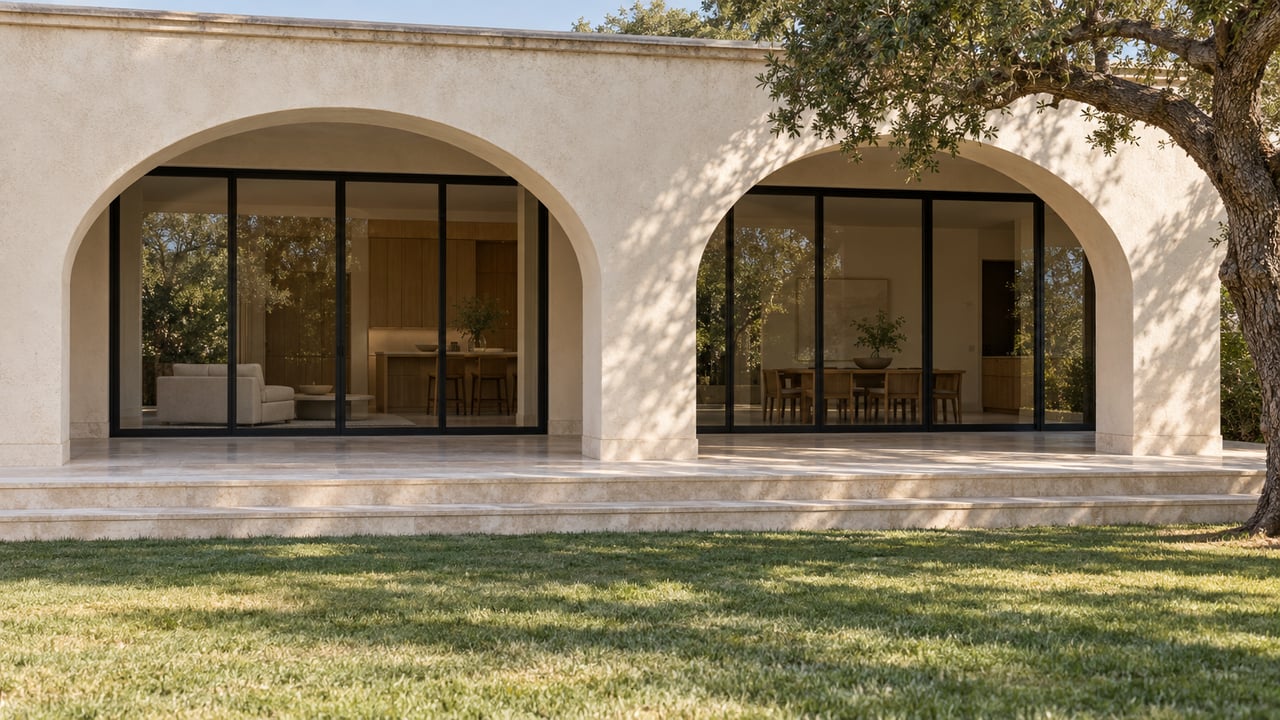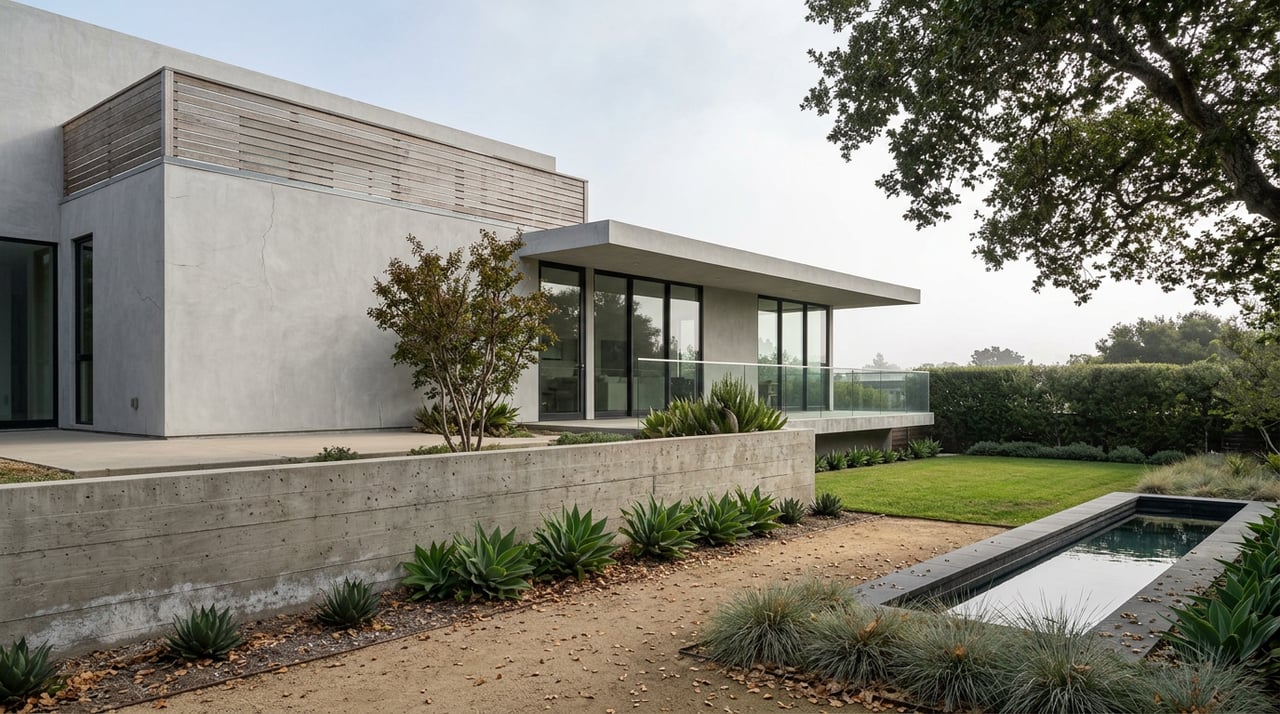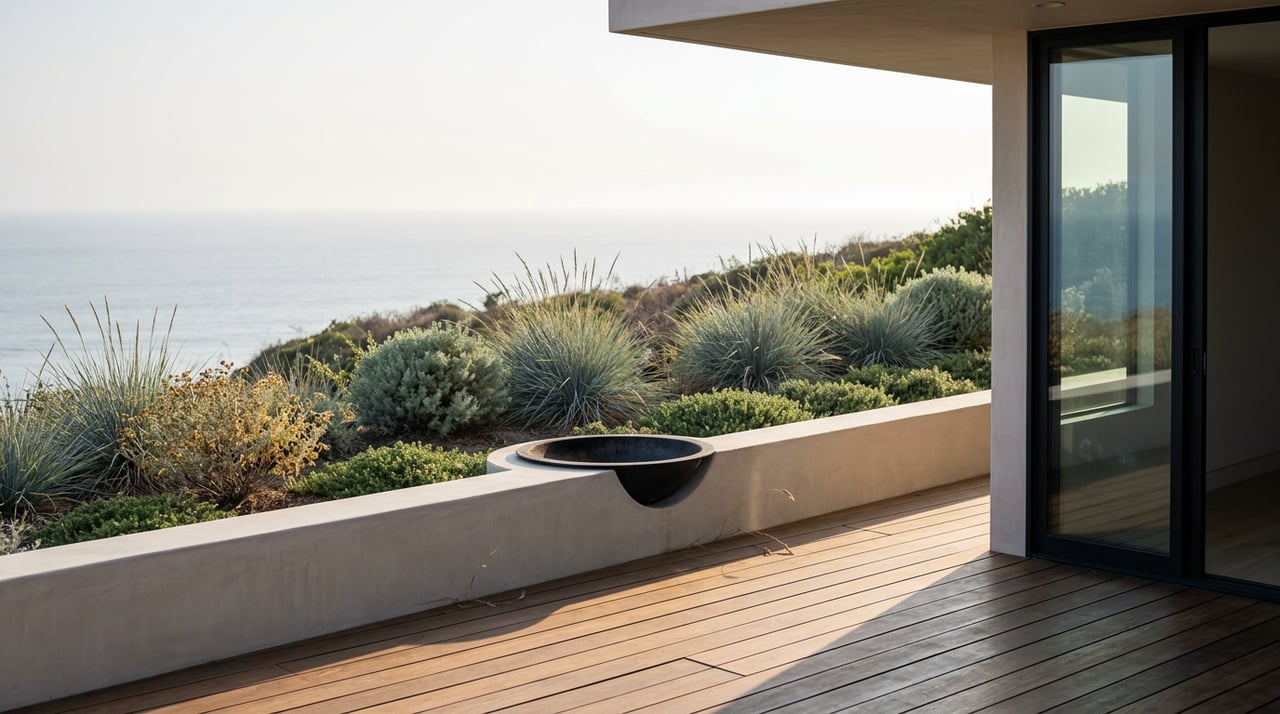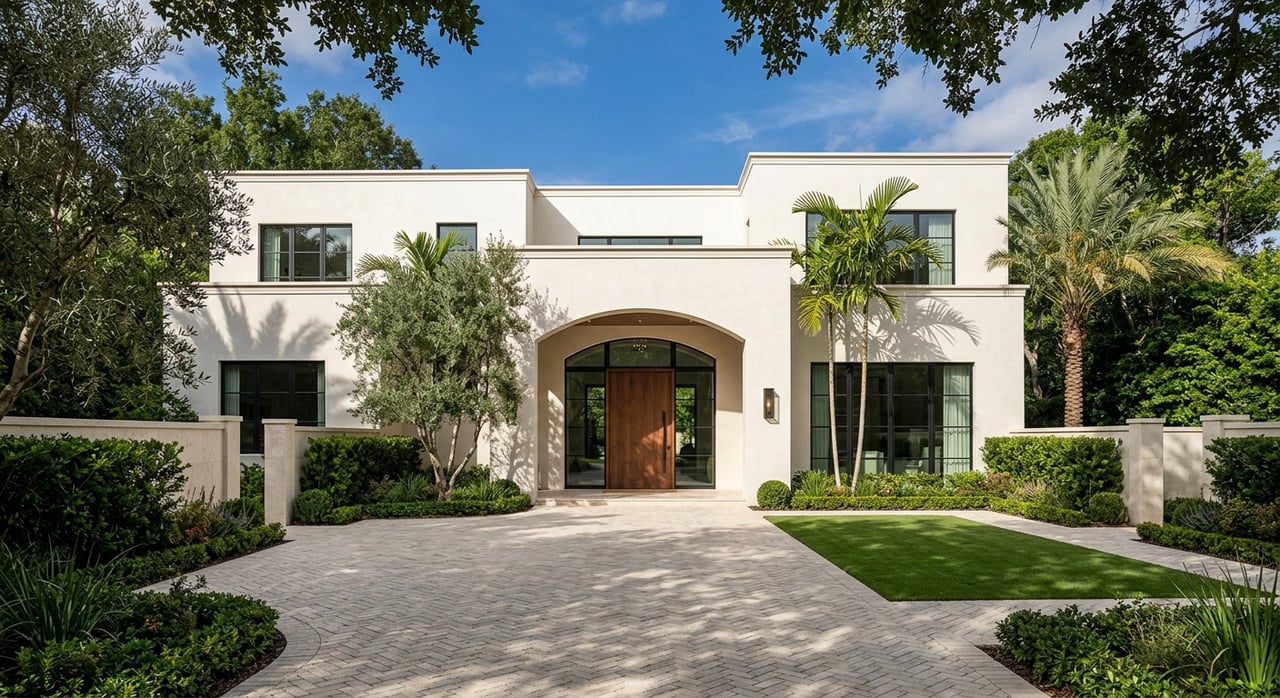
If you are looking at Holmby Hills and wondering what makes one property merely expensive and another truly ultra-prime, the answer starts long before you reach the front door. In this part of Los Angeles, buyers are not just paying for square footage. They are paying for land, privacy, architectural significance, and a level of scarcity that is hard to replicate anywhere on the Westside. If you want to understand why Holmby Hills continues to stand apart, let’s take a closer look.
Holmby Hills Starts With Land
In Holmby Hills, ultra-prime value begins with the lot itself. The neighborhood was planned as a low-density estate community, and historic city planning documents show that the smallest original lots sold were three-quarters of an acre.
That original vision still shapes the market today. Many homes have been replaced over time, and some smaller lots have been absorbed into neighboring parcels to support even larger estates. In practical terms, that means the land beneath the home often matters as much as, or more than, the structure on top of it.
Large Parcels Define the Neighborhood
Holmby Hills was not designed around compact lots or dense development. The area includes irregularly sized parcels and a physical layout that supports a more private, estate-style pattern of living.
That matters because parcel quality drives options. A larger site can support longer driveways, more separation from the street, broader lawns, formal gardens, pools, tennis courts, and guest or service areas, depending on the property. In an ultra-prime market, those features are not extras. They are part of the core value proposition.
Scale Creates Scarcity
Not every luxury neighborhood offers true estate scale. Holmby Hills does, and that helps explain its long-term appeal among high-net-worth buyers.
Historic examples make the point clearly. The Singleton Estate spans seven acres, and Greenacres, the former Harold Lloyd estate, has been described in the city’s historic context materials as a fifteen-acre estate and one of the area’s most impressive properties. Even when a current listing is smaller than those legacy estates, that standard of scale still influences how buyers judge the neighborhood.
Privacy Is a Major Part of Value
In many luxury markets, privacy is a marketing phrase. In Holmby Hills, privacy is built into the neighborhood’s physical form.
City planning documents describe gently sloping topography, winding streets, mature vegetation, narrow roads without sidewalks, historic streetlamps, and homes often screened by walls, hedges, and gates. Together, those features create a quieter visual experience and a more discreet arrival.
Low Visibility Matters
Ultra-prime buyers in Holmby Hills often place real value on limited street exposure. A home that does not immediately reveal itself from the curb can feel markedly different from one on a more open or heavily trafficked street.
This is one reason square footage alone does not tell the whole story. A property with controlled sightlines, deep setbacks, and layered landscaping may command attention because it offers a stronger sense of seclusion.
The Street Pattern Supports Discretion
Holmby Hills does not follow a rigid, repetitive street grid. Its winding roads and irregular parcel layout help reduce the predictability you often find in denser neighborhoods.
That planning history contributes to the area’s reputation for quiet prestige. The neighborhood has long been associated with relative anonymity, and historic city materials note that this anonymity has increased privacy, seclusion, desirability, and livability.
Architectural Pedigree Sets Properties Apart
Land and privacy may form the foundation of ultra-prime value, but architecture adds another layer that can elevate a property even further. Holmby Hills has a strong concentration of architect-designed homes tied to major Los Angeles names.
City planning records identify architects including Paul R. Williams, Wallace Neff, Gordon Kaufmann, George Washington Smith, and Roland E. Coate as part of the neighborhood’s architectural story. Many homes are single-family residences, often one to two stories, and frequently rooted in Period Revival styles.
Proven Design Authorship Matters
In an ultra-prime setting, a home’s authorship can influence both buyer interest and long-term relevance. When a property is tied to a respected architect or a meaningful design lineage, buyers often see more than aesthetics. They see scarcity, cultural value, and a stronger identity within the market.
The Singleton Estate offers a strong example. The Los Angeles Conservancy identifies it as a French Revival estate designed by Wallace Neff, with landscape work by Thomas Church and Philip Shipley. Its formal gardens, pool, tennis court, and seven-acre setting show how architecture and site planning work together in Holmby Hills.
Renovation Sensitivity Is Part of the Conversation
Because Holmby Hills includes architecturally significant homes as well as newer replacement estates, buyers and sellers often have to look beyond finishes. The larger question is how the home sits on the land and whether its design strengthens the estate feel of the property.
That is especially important in a market where architectural pedigree can be a meaningful differentiator. A house that respects scale, proportion, and site planning will often stand apart more clearly than one that simply adds more interior square footage.
Location Adds Lasting Prestige
Holmby Hills benefits from a location that has reinforced its status for decades. For planning purposes, the Holmby Hills Residential Planning District sits in the southern part of the Bel Air-Beverly Crest area, bounded by Brooklawn Drive, Carolwood Drive, Sunset Boulevard, and Beverly Glen Boulevard, with the broader neighborhood extending south of Sunset.
Its position near Beverly Hills and Westwood gives it a unique kind of Westside access while preserving a more secluded identity. That combination helps explain why the address continues to carry weight.
Close to Key Westside Destinations
Holmby Hills is geographically close to Beverly Hills, and historic context materials note that this proximity helped reinforce its prestige. Westwood is also nearby, with the official community plan encompassing Westwood Village, North Westwood Village, and the UCLA campus.
For buyers, that means the neighborhood offers access to major Westside destinations without depending on a high-density, highly visible setting. In the ultra-prime category, that balance can be a major draw.
Prestige Is Not Just About Price
An ultra-prime address is rarely defined by list price alone. In Holmby Hills, the address carries historical and cultural weight tied to estate living, privacy, and architectural distinction.
The city’s historic context statement links the neighborhood to notable residents including Claudette Colbert, Walt Disney, Gregory Peck, Bing Crosby, Humphrey Bogart, Lauren Bacall, Jean Harlow, and Henry Mancini. That history does not define today’s buyer, but it does help explain why the neighborhood still occupies a special place in Los Angeles luxury real estate.
Holmby Hills in Today’s Market
Current market snapshots help show where Holmby Hills sits in the luxury hierarchy, but they should be read carefully. Realtor.com’s March 2026 summary showed 14 active listings, a median listing price of $3.845 million, median days on market of 46, and a median list price per square foot of $1,276.
At the same time, nearby submarkets in that snapshot showed Westwood at $1.3625 million, Century City at $1.872 million, Beverly Crest at $5.5475 million, and Bel Air at $6.225 million. Those numbers can shift month to month based on the mix of listings, especially in thin luxury markets.
Why Snapshot Pricing Has Limits
In a neighborhood like Holmby Hills, a handful of listings can change the median quickly. That is why serious buyers and sellers should avoid judging the market on one number alone.
What matters more is the neighborhood’s long-term profile. Holmby Hills remains firmly in the top tier of the Westside, with value driven by scarcity, parcel quality, privacy, and architectural pedigree as much as by headline pricing.
What Defines Ultra-Prime in Holmby Hills
If you had to narrow it down, ultra-prime real estate in Holmby Hills is defined by four core traits:
- Estate-scale land that supports a true compound feel
- Privacy and discretion created by topography, vegetation, gates, and street layout
- Architectural pedigree tied to respected design and site planning
- A historically elite Westside address with enduring prestige
When all four show up in one property, you are usually looking at something more than a luxury home. You are looking at a rare asset within one of Los Angeles’ most established estate neighborhoods.
For buyers, that means evaluating more than finishes or square footage. For sellers, it means understanding how to position the full story of the property, from land and architecture to privacy and location.
In a market this nuanced, details matter. If you are considering a move in Holmby Hills or evaluating how a property fits into the ultra-prime category, Isabelle Mizrahi and Coleman Eisner bring a consultative, discreet approach informed by West Los Angeles luxury market knowledge and architecture-aware insight.
FAQs
What makes Holmby Hills ultra-prime real estate different from standard luxury homes?
- Ultra-prime Holmby Hills real estate is typically defined by estate-scale land, privacy, architectural pedigree, and a historically prestigious Westside address rather than square footage alone.
Why does lot size matter so much in Holmby Hills real estate?
- Lot size matters because Holmby Hills was designed as a low-density estate community, and larger parcels can support privacy, landscaping, longer driveways, and amenities that shape long-term value.
How important is privacy in Holmby Hills luxury home value?
- Privacy is a major value driver because the neighborhood’s winding streets, mature vegetation, gates, walls, and low-visibility layout contribute to a more secluded estate setting.
What role does architecture play in Holmby Hills home prices?
- Architecture can significantly influence value because the neighborhood includes homes associated with major Los Angeles architects, and strong design authorship often adds rarity and market appeal.
How should you evaluate the Holmby Hills market today?
- You should look beyond monthly median prices and focus on parcel quality, privacy, architectural significance, and scarcity, since a small number of listings can shift market snapshots quickly.