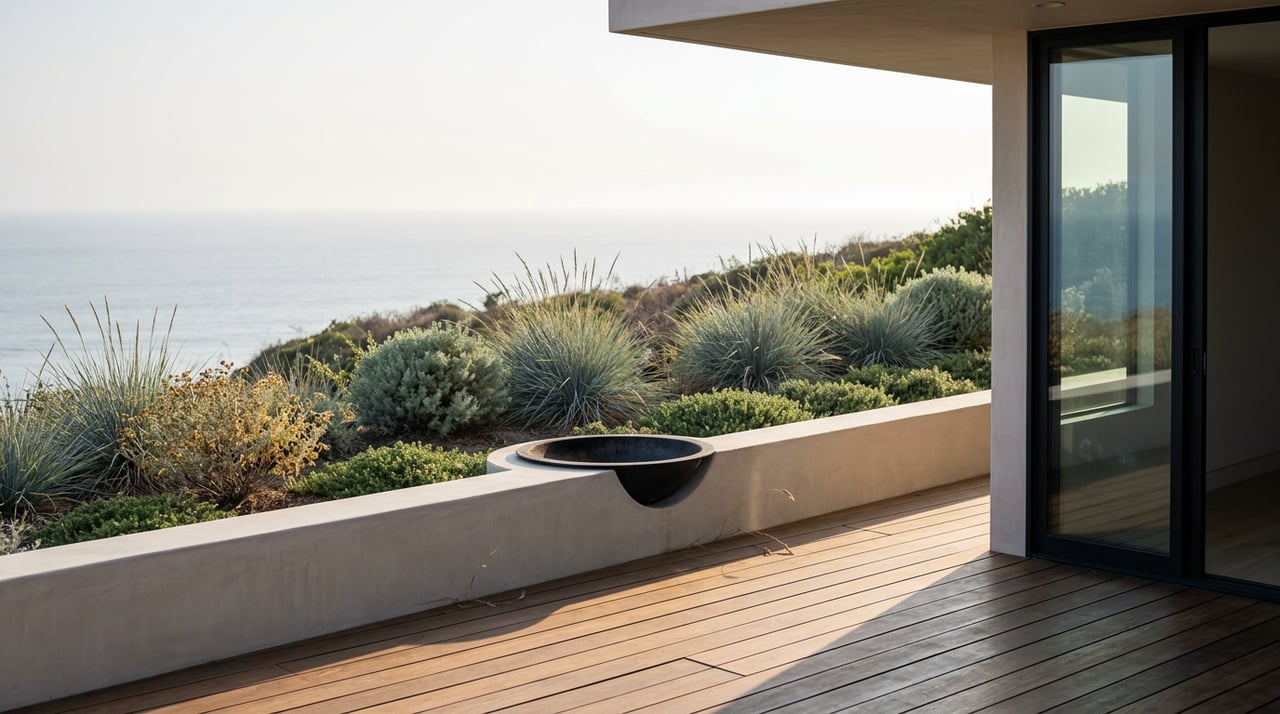
Picture waking up to the sound of waves, then letting the same home pay for itself when you head back to the city. If you are exploring a Malibu beach retreat for personal use with seasonal rental income, you are not alone. With the right plan, you can preserve your lifestyle weeks while capturing strong seasonal demand. This guide gives you a clear, Malibu‑specific path across seasonality, permits, taxes, operations, and risk so you can move forward with confidence. Let’s dive in.
Malibu market at a glance
Malibu’s luxury rentals command premium nightly rates compared with the broader Los Angeles market, with strong summer seasonality and July as the peak month. Recent market snapshots show average daily rates in the high hundreds to low thousands depending on location and quality. Micro‑location matters. Beachfront and central Malibu tend to price higher, and local events and the Pepperdine University calendar can create demand spikes. You can see this seasonality in third‑party data for the area highlighting Malibu’s ADR and occupancy trends.
Plan your calendar for peak demand
- Keep June through August open for guests to capture the year’s best rates. Holiday weekends also price at a premium.
- Use shoulder seasons for longer 30+ day stays to reduce turnover and operating costs.
- Block your own use early so your manager can price remaining nights dynamically.
- Set minimum stays that protect your calendar in peak weeks, then relax requirements during slower periods.
Know Malibu’s rules and permits
Malibu takes short‑term rental compliance seriously. Getting this right protects your permit, your reputation, and your revenue.
STR permit for 30 days or less
If you plan to rent for 30 days or fewer, Malibu treats that as a short‑term rental. You must have a valid STR permit to advertise or host, and the permit number must appear on all listings. Operational rules include a 24/7 local contact, occupancy limits, and nuisance standards. Repeated violations can lead to steep daily fines and permit revocation. Review the city’s enforceable standards in Malibu’s Short‑Term Rental code.
Transient Occupancy Tax at 15 percent
Stays of 30 days or less are subject to Malibu’s Transient Occupancy Tax. Measure T set the rate at 15 percent effective January 1, 2021. Some platforms may collect and remit, but you are responsible for ensuring accurate collection and reporting, and for confirming whether cleaning and other fees are part of the taxable base. See the City’s Transient Occupancy Tax guidance.
Septic (OWTS) operating permit
If the property uses an onsite wastewater treatment system, Malibu requires a current OWTS operating permit, or an approved compliance agreement, for STR permitting and renewals. Inspections and upgrades can take months, so include this in due diligence. Details are in Chapter 15.44 of the municipal code.
Hosted STR status is evolving
Malibu adopted a Hosted STR ordinance that would require onsite hosting and primary‑residence rules, but the California Coastal Commission did not certify the City’s 2022 submittal and asked for revisions. The hosted regime is not automatically in force. Always check the latest status with planning staff, and monitor City updates via the Hosted STR ordinance page.
Coastal permits and HOA restrictions
Beachfront or bluff‑top parcels often involve Coastal Development Permit reviews under Malibu’s Local Coastal Program. New ADUs and many alterations can trigger coastal review, especially in shoreline and environmentally sensitive areas. Verify LCP consistency and any deed restrictions early by consulting the Local Implementation Plan and coastal standards. Also confirm HOA or CC&R rules, which can be more restrictive than city code and may limit or prohibit short‑term rentals.
Choose your rental model
Short‑term vacation rental
- Stays up to 30 nights. Best nightly revenue but higher turnover and oversight.
- Requires a Malibu STR permit and full compliance with city rules.
- Subject to 15 percent TOT on rent and certain fees.
Mid‑term or seasonal rental
- Stays of 30+ days usually are not subject to Malibu’s TOT and typically fall under longer‑term tenancy rules.
- Lower turnover and operating costs, but nightly yield may be lower than peak short‑term pricing.
- A common play is to reserve summer for short‑term guests, then offer month‑to‑month or quarterly leases in the off‑season. Ask your counsel about any tenant‑protection overlays before offering multi‑month terms.
Marketing and guest experience
List where luxury travelers book
Pair scale with curation. Major channels like Airbnb, Vrbo, and Booking reach global demand. For top‑tier properties, luxury programs such as Airbnb’s luxury tier and curated platforms can justify premium pricing when combined with concierge‑level service.
Stand out with presentation and service
- Use professional photography and copy that highlights privacy, views, and indoor‑outdoor flow.
- Offer a welcome guide, seamless check‑in, and local concierge referrals to elevate the stay.
- Set flexible minimums during peak windows to capture high‑value bookings, then widen availability in slower periods using dynamic pricing.
Reduce risk with clear house rules
Document guest screening, quiet hours, parking instructions, and emergency contacts. Preventive steps lower the chance of nuisance calls, protect your permit, and improve reviews.
Budget and operating costs
Full‑service luxury property management in Malibu typically charges a percentage of gross revenue, often in the low to mid‑20s for comprehensive programs, with higher costs for bespoke concierge. Expect meaningful line items for platform fees, cleanings and linens, routine maintenance, utilities, HOA dues, and insurance. Work with local managers who understand Malibu’s permit posting rules, 24/7 contact requirements, and emergency response expectations. For examples of service models in Los Angeles, see this overview of short‑term rental management options.
Finance, taxes, and insurance
Property taxes and holding costs
California’s Proposition 13 sets a baseline 1 percent levy on assessed value, with additional voter‑approved assessments depending on the local tax rate area. In practice, your effective rate will be higher than 1 percent in Los Angeles County. Model property taxes, insurance, utilities, and a reserve for capital items such as fire‑hardening or OWTS upgrades.
Second home vs investment loan
Lenders underwrite investment properties differently than second homes. If your plan includes meaningful rental use, expect larger down payments, higher reserves, and stricter terms. Discuss your intended owner‑use days and rental calendar up front so the loan is structured correctly. For an overview of investment loan basics, review this summary on financing rental properties.
Insurance and wildfire planning
Malibu sits in wildfire‑prone zones, which affects coverage and premiums. Check parcel‑level Fire Hazard Severity Zone maps and review options with a broker who can stack the right policies, including dwelling coverage, loss of income, guest liability, and a high‑limit umbrella. Platform protections are not a substitute for dedicated short‑term rental or landlord coverage. Start with the State Fire Marshal’s fire hazard severity zone resources when evaluating a parcel.
Buyer due diligence checklist
Use this list while touring properties and during escrow.
- Confirm the property’s STR permit history and whether a current permit number exists. Ask about any past code citations.
- Verify OWTS status and whether an operating permit, recent inspection, or a compliance agreement is in place. Budget time and cost if upgrades are likely.
- Review CC&Rs and HOA rules for any rental restrictions or approval processes. Get it in writing.
- Ask City planning if the parcel triggers Coastal Development Permit or Local Coastal Program constraints. Identify any recorded deed restrictions.
- Map your tax process: how TOT will be collected and remitted for stays of 30 days or less, and who is responsible on each platform.
- Obtain insurance quotes that reflect wildfire exposure, rebuild costs, guest liability, and business interruption. Target coverage to luxury risk levels.
- Consult lenders on whether your plan fits a second‑home program or must be underwritten as an investment property, and what reserves are required.
- Price professional management, 24/7 local contact coverage, and a capital reserve for items like fire‑hardening, seismic work, and systems.
Work with a Malibu‑area expert
A Malibu beach retreat can deliver both a lifestyle upgrade and meaningful seasonal revenue if you align your calendar, compliance, and operations. Our team brings deep coastal market knowledge, construction‑aware insight, and white‑glove guidance across luxury purchases and high‑end leasing. If you are weighing specific addresses, we can help you stress test revenue assumptions, surface permit and coastal factors, and coordinate the right local professionals.
Ready to evaluate options and build a plan that fits your goals? Connect with Isabelle Mizrahi and Coleman Eisner to Book an Appointment.
FAQs
Do I need a permit to rent my Malibu home for under 30 days?
- Yes. Malibu requires a short‑term rental permit to advertise or host stays of 30 days or less, with rules for occupancy, a 24/7 local contact, and fines for violations.
What is Malibu’s Transient Occupancy Tax and when does it apply?
- Malibu’s TOT is 15 percent and applies to stays of 30 days or less; platforms may collect, but you are responsible for accurate collection and remittance.
How does Malibu’s OWTS rule affect homes on septic systems?
- As of 2023, homes with onsite wastewater treatment systems must hold a current OWTS operating permit, or an approved compliance agreement, to maintain STR eligibility.
Are hosted short‑term rentals currently required in Malibu?
- No. A hosted primary‑residence regime was proposed but not certified by the Coastal Commission; confirm the latest status with City planning before you buy.
What loan type fits if I plan personal use plus seasonal renting?
- If you intend meaningful rental use, lenders often classify the property as an investment, which typically requires larger down payments and higher reserves than second‑home loans.
How should I think about wildfire and insurance for a Malibu rental?
- Check fire hazard maps for the parcel and work with a broker to secure coverage for the structure, guest liability, loss of income, and a high‑limit umbrella suitable for luxury exposure.