Craving a quiet, car-free front yard a few blocks from the beach? Venice’s walk streets and the historic canals offer that rare mix of calm, character and convenience that is hard to find on the Westside. If you are considering a move here, you want a clear picture of the daily rhythm, access rules, parking, and the practical details that shape life along these pedestrian paths and waterways. This guide walks you through what it feels like to live here, what to plan for, and how to decide if it is a good fit. Let’s dive in.
What and where they are
Venice’s walk streets are short pedestrian pathways lined with homes, set a few blocks inland from the beach. The canals form the Venice Canal Historic District, a small network of man-made tidal canals created around 1905 by developer Abbot Kinney as part of his “Venice of America” vision. You can explore the area’s designation and origins through the Library of Congress record for the district, which confirms its historic status and context on the National Register.
In 1992 to 1993, the City led a major restoration that rebuilt sidewalks, footbridges and canal walls, and dredged the waterways to stabilize and refresh the system. That project established much of the clean-lined, public walkway look you experience today, as reported by the Los Angeles Times during the restoration.
Walk streets vs. canals: the feel
Walk streets: intimate garden paths
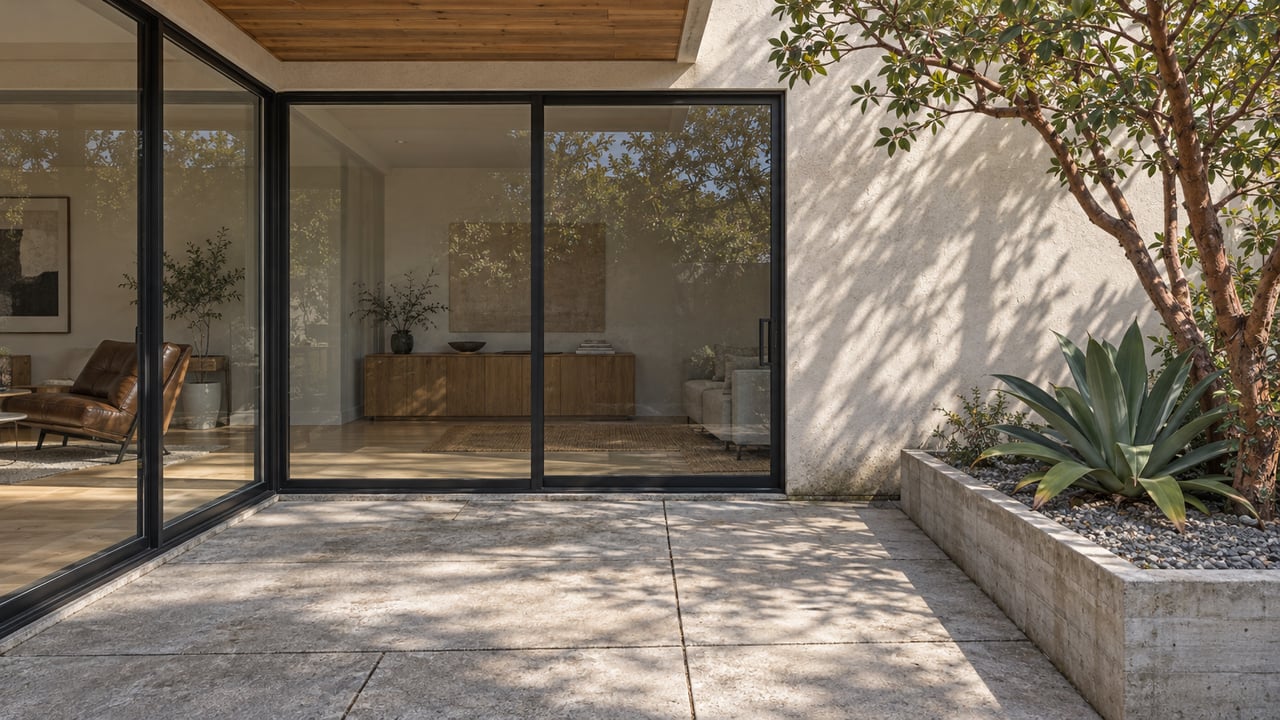
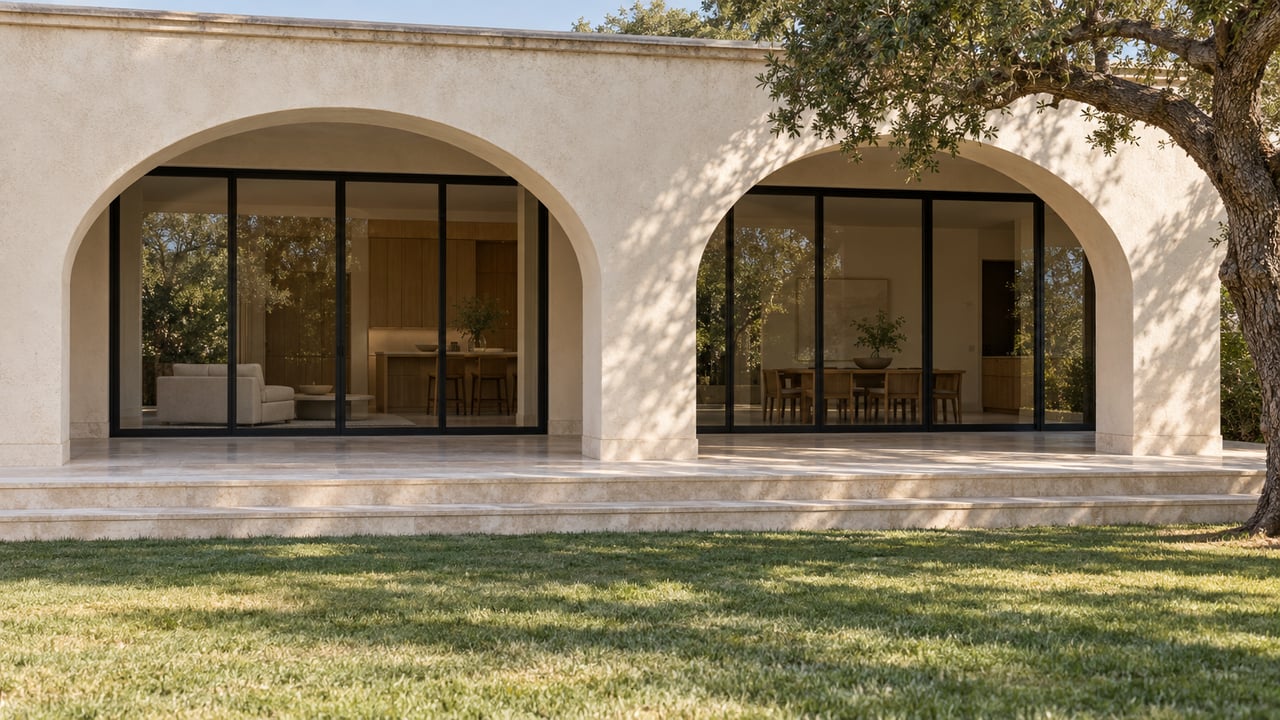
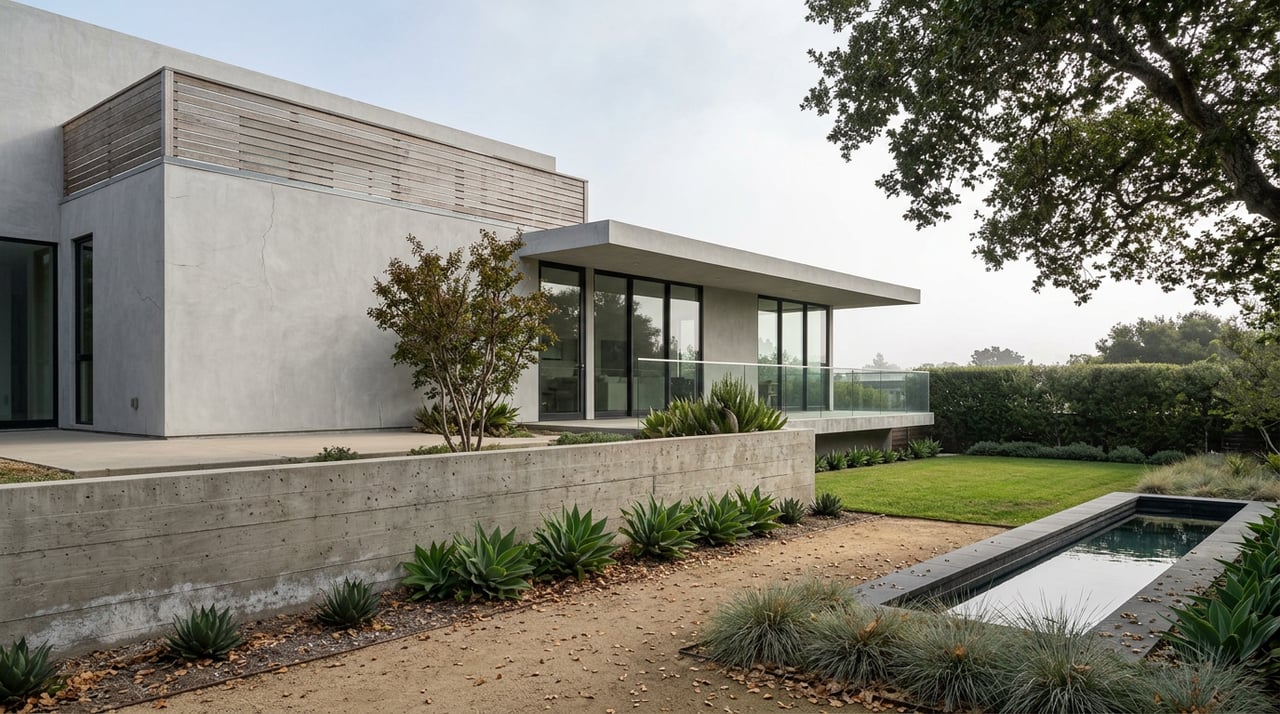
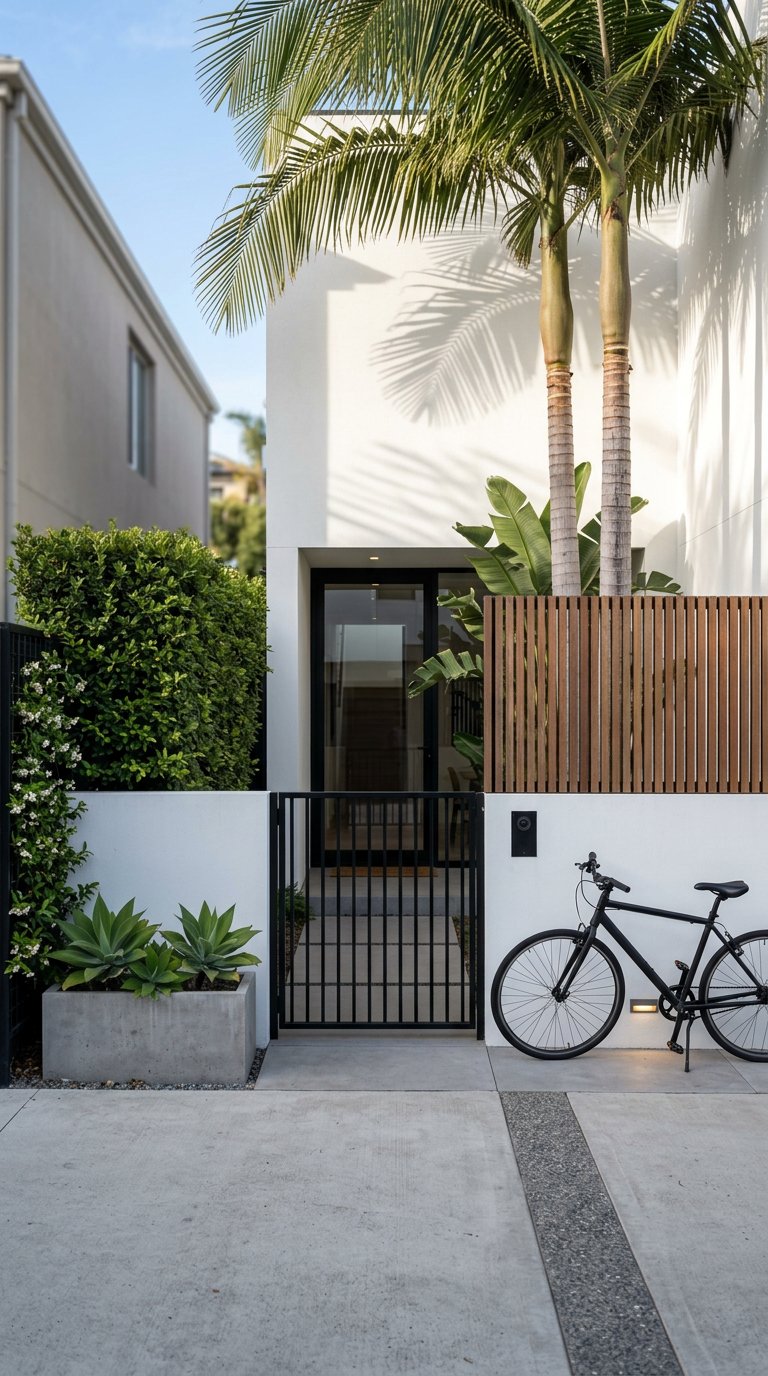
Walk streets feel like living on a shaded footpath where the front door opens to a pedestrian lane rather than a road. Homes often present with low fences, small front gardens, and a direct connection to neighbors. Vehicle access usually happens from alleys or parallel drivable streets, so the walk itself stays quiet and human-scaled. Many visitors miss these blocks unless they intentionally turn onto them, a nuance echoed in local overviews of Venice’s walk streets.
Canals: calm waterfront footpaths
The canals center life on the water. Narrow waterways edge public footpaths and small pedestrian bridges, and there is a reflective, tucked-away quality that contrasts with the nearby boardwalk. The local neighborhood nonprofit helps with signage, plantings and communication about use, which supports a peaceful, well-kept environment along the paths. You can read more about the group’s role on the Venice Canals Association site.
Daily rhythms you can expect
Mornings are active with dog walkers, joggers and cyclists. Many residents use short bike rides to reach Abbot Kinney, the marina and Santa Monica. Abbot Kinney Boulevard serves as the main local dining and shopping spine a few blocks inland, with a curated mix of restaurants, coffee and boutiques highlighted on the official Abbot Kinney overview.
Midday and weekends, the Venice Boardwalk and Ocean Front Walk draw heavy visitor traffic, which can ripple into surrounding streets. Expect more cars and pedestrians between the beach and these micro-neighborhoods on sunny weekends and holidays. The City’s recreation pages outline amenities and activities that draw those crowds along the beachfront, including the skate park, Muscle Beach stations and bike path, detailed on the Venice Recreation & Parks page.
Evenings bring a gentle split: dining crowds gather on Abbot Kinney while the canals and walk streets tend to stay quieter. Special events and occasional film shoots can temporarily increase activity, tighten parking and add signage or cones to manage access. It is all part of living near one of LA’s most famous waterfront districts.
Privacy, access and community norms
Public walkways, private front yards. Both the walk streets and canal paths are public rights of way. People are allowed to walk them, and that access is part of the charm. At the same time, front setbacks, docks and gardens function as residents’ front yards. The neighborhood association works with the City on signage and upkeep and asks visitors to respect private property, stay on paths and follow posted rules, as explained on the Venice Canals Association.
Filming and photo shoots. The canals and footbridges are popular backdrops. Commercial filming or exclusive shoots require City permits and coordination through FilmLA, and residents often receive notice when productions affect public areas. For an overview of how filming works in Venice, see this practical guide to filming logistics in Venice.
Parking and everyday logistics
Parking and permits
Street parking near the beach is scarce and often restricted. Many homes rely on garages or driveways accessed from alleys or adjacent drivable streets, even when the address faces a pedestrian lane. Los Angeles manages high-demand areas with Preferential Parking Districts, Overnight Parking Districts and meters, so you should expect to use permits and plan around event days. For current rules and district maps, check the City’s overview of parking programs at LADOT.
Quick parking tips:
- Expect to host guests via permitted street parking or your garage when possible.
- Watch for event signage that limits curb space on weekends or holidays.
- Keep a simple guest parking plan to reduce last-minute stress.
Deliveries, trash and emergency access
Because the pedestrian lanes take priority, package deliveries and service vehicles usually stop on the drivable side streets or alleys. City trash collection follows the standard schedule, and the neighborhood’s resident FAQs outline who to contact for questions or extra pickups. First responders typically access properties from adjacent streets or alleys as well. For local service guidance, review the resident FAQs and resources shared by the Venice Canals Association.
Buying and owning: what to know
Historic district and permits
The Venice Canals are a designated historic district, which can add review layers for visible changes along the water’s edge and public walkways. Routine renovations still go through City permitting, and projects visible from public paths are more likely to draw review or comment. You can confirm the district’s status in the Library of Congress record and find current permitting policies on the City’s planning portal for initiatives and policies.
Short-term renting and home-sharing rules
Los Angeles regulates short-term rentals under its Home-Sharing program. Hosts must register, demonstrate primary residence, follow day caps or seek extended options when allowed, and comply with tax collection rules. Do not assume a property can be used for short-term rental until you verify its eligibility through the City’s Home-Sharing rules.
Flood and sea level considerations
The canals are tidal, and Venice is a low-lying coastal neighborhood. While the system was re-engineered during the 1990s restoration and the community tracks flushing and water quality, you should factor flood risk into due diligence. Check current FEMA flood maps and review local sea-level projections for any property you are considering using the NOAA Sea Level Rise Viewer. The association also shares updates on maintenance and environmental monitoring through its committees and programs.
Market context and value signals
Walk street and canal-front homes typically carry a premium compared with more inland Venice blocks. Inventory often spans updated bungalows and high-end new construction, with strong demand for pedestrian-first living near Abbot Kinney and the beach. For pricing, rely on current MLS data and a local market snapshot rather than static figures, since values move quickly in these microneighborhoods.
Lifestyle anchors nearby
Abbot Kinney Boulevard is your go-to for dining, coffee and design-forward retail. It is a short walk or bike ride from many walk streets and the canals, and it keeps everyday errands and weeknight dinners close to home. For a sense of the avenue’s offerings and events, start with the Abbot Kinney overview.
On the ocean side, you have the boardwalk, bike path and outdoor fitness zones, all of which bring energy and a steady flow of visitors. Amenities and beach programming are detailed by the City on the Venice Recreation & Parks page. Living on the walk streets or the canals gives you proximity to the action with a calmer, more residential edge.
Is this a fit for your lifestyle?
You may love living on a walk street or on the canals if you:
- Prefer a pedestrian-first setting and value quiet pathways over car traffic.
- Want a short bike or walk to Abbot Kinney and the beach without living on the boardwalk itself.
- Appreciate a mix of preserved bungalows and refined, design-forward architecture.
- Are comfortable navigating permit parking and guest plans on busy weekends.
- Value community upkeep, posted rules and a well-maintained public realm.
You may want to continue your search elsewhere if you:
- Need frequent on-street parking for multiple vehicles or frequent large gatherings.
- Prefer a fully private frontage with no public foot traffic nearby.
- Want to avoid any historic review or coastal considerations during renovations.
Ready to compare walk streets to canal-front options or preview off-market opportunities? Reach out for a tailored plan built around your lifestyle and timing.
If you are exploring a move, we would be happy to share current comps, renovation insight and a curated tour. Connect with Isabelle Mizrahi and Coleman Eisner for a private consultation.
FAQs
Are Venice walk streets public or private?
- They are public pedestrian walkways, and residents ask that visitors respect private property and posted rules, a point echoed in local overviews of the walk streets.
How does parking work near the Venice Canals and walk streets?
- Expect limited curb space with meters or permit restrictions, and plan to use garages or alleys for regular parking; check the City’s programs on LADOT’s parking page.
What should I know about filming or photo shoots on the canals?
- Commercial filming in public areas requires City permits and coordination, and productions may create temporary access or parking changes; see a practical outline of Venice filming logistics.
Can I run a short-term rental in the Venice Canal Historic District?
- Short-term rentals are regulated citywide under the Home-Sharing program and require registration and compliance; review eligibility and rules via City Planning’s Home-Sharing page.
Do Venice Canals homes face flood risk?
- Venice is low-lying and the canals are tidal, so risk varies by property; check FEMA flood maps and review local sea-level projections using NOAA’s Sea Level Rise Viewer.
What changed during the 1992–1993 canals restoration?
- The City rebuilt sidewalks, footbridges and canal walls and dredged waterways, shaping today’s public walkways and look, as covered by the Los Angeles Times.